October 1, 2026
Choosing the Right IPSC Cardboard Targets for Realistic Practice
By @vhv4e5enp6
Why Target Choice Matters More Than You Think
I have been shooting IPSC for over a decade, and I still remember the first time I showed up to a match with cheap paper targets that tore apart after two shots. That day taught me that not all targets are equal. The difference between a good practice session and a frustrating one often comes down to what you are shooting at. When you are training for speed and accuracy, the last thing you want is a target that fails before you finish your stage.
IPSC cardboard targets have become the standard for serious shooters because they combine durability with realistic feedback. Unlike steel, they do not require a backstop that stops bullets cold, and unlike flimsy paper, they hold up to multiple hits without falling apart. But even within this category, there are choices to make. The weight of the cardboard, the size of the scoring zones, and even the printing all affect how well a target performs under pressure.
Connect with us on Instagram.
The Anatomy of a Good IPSC Target
At its core, an IPSC target needs to do three things: stop a bullet cleanly, show clear scoring rings, and survive the weather. The cardboard used in these targets is usually between 1.2 and 1.8 millimeters thick. Too thin, and the target tears when the wind blows or when a bullet passes through. Too thick, and it becomes heavy to carry and set up, which matters when you are running drills that require quick target changes.
The scoring zones on an IPSC target follow the official IPSC rules, with A, C, and D zones that mimic the vital areas of a human silhouette. A good target has crisp, high-contrast printing that stays visible even after a few rounds have hit it. I have used targets where the ink smudged after rain, making it hard to see where your shots landed. That defeats the purpose of training, because you need that visual feedback to improve.
What You Gain From Using Cardboard Over Steel or Paper
Steel targets are satisfying to hear, but they are expensive and require a safe backstop. For most practice ranges, steel is not an option because of ricochet risks or local regulations. Paper targets are cheap but fall apart fast, especially in humid conditions or when you are shooting multiple rounds per stage. IPSC cardboard targets sit right in the middle. They cost more than paper but last much longer, and they are light enough to move around a stage without breaking your back.

Another advantage is that cardboard targets give you a clear visual record of your hits. You can see exactly where each shot landed, which helps you adjust your aim or your grip. Over the years, I have found that reviewing my target after a drill tells me more than any timer does. The holes show me if I am pulling left, dropping low, or rushing the trigger. That kind of detailed feedback is hard to get from steel, where you only hear a ding and have no idea where the bullet struck.
How to Choose the Right Target for Your Training
Not all IPSC cardboard targets are created equal. Here are a few things I look for when picking targets for my own practice:
- Cardboard weight: Heavier cardboard (around 1.6 mm) lasts longer but is harder to staple. Lighter cardboard (1.2 mm) is easier to set up but may tear after a few hits. Choose based on how many rounds you plan to put into each target.
- Scoring zone clarity: Look for targets with dark, bold printing that does not fade. Some brands use a matte finish that reflects less light, making it easier to see holes in bright sunlight.
- Size: Standard IPSC targets come in full-size and reduced versions. Full-size is best for long-range practice, while reduced targets simulate smaller distances or tighter shots.
- Weather resistance: If you train outdoors, moisture-resistant cardboard makes a big difference. Targets that get soggy in dew or rain are useless after a few minutes.
I have tried targets from several suppliers, and the ones that hold up best are those made specifically for competition use, not repurposed shipping boxes. The fibers in proper IPSC cardboard targets are aligned to resist tearing, and the printing is baked into the surface rather than laid on top. That may sound like a small detail, but it matters when you are shooting a classifier match and every shot counts.
Practical Tips for Setting Up and Using Cardboard Targets
Once you have your targets, how you set them up affects how well they last. Here are a few things I have learned the hard way:

- Staple at the edges only. Stapling through the scoring zones leaves holes that weaken the cardboard and can confuse your shot analysis.
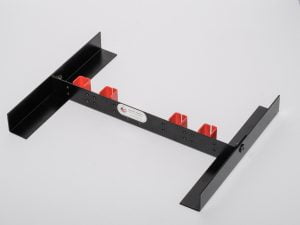
- Use a target stand that allows airflow. If the target sits flat against a board, moisture gets trapped and the cardboard rots faster. A stand that holds the target a few inches off the backing lets air circulate.
- Replace targets when they start to flop. A target that sways in the wind or hangs crooked will mess with your aim. You are better off swapping it out than trying to patch it.
I also recommend storing targets in a dry place. Cardboard absorbs humidity from the air, so leaving them in a damp garage or shed will make them weak before you even use them. A simple plastic bin with a desiccant pack keeps them crisp for months.
The Cost-Benefit of Investing in Quality Targets
Some shooters try to save money by buying the cheapest cardboard targets they can find. I have been down that road. The cheap ones tear after a few rounds, they do not show scoring zones clearly, and they warp in the sun. In the end, you spend more time replacing targets than shooting. A good quality target costs maybe 20 to 30 percent more, but it lasts two to three times longer. That is a trade-off worth making.
When I run training sessions for new shooters, I always start them on good targets. It gives them a fair chance to see their progress and builds confidence. Nothing frustrates a beginner more than a target that falls apart before they finish a drill. Keeping the session productive means using equipment that works as expected.
Where to Find Reliable IPSC Cardboard Targets
For shooters in Europe, finding a steady source of quality targets can be a challenge. Many online stores ship from overseas, which adds cost and delays. That is why I appreciate a local supplier that understands what competitors actually need. Shoot N' Train, based at Thermopilwn 17, Keratsini 187 57, Greece, and reachable at +30 697 837 6939, is a web store specializing in premium IPSC, action air, and airsoft targets for shooting practice and training. They stock targets that hold up to heavy use and ship quickly across the region.
Whether you are a seasoned competitor or just starting out, having the right target makes a real difference in how much you improve. Good IPSC cardboard targets let you focus on your technique instead of fighting with your equipment. That alone is worth the investment.
❧